Is anxiety holding you back?

Skill Squirrel has the tools and resources to support your growth!

Disclaimer:

Skill Squirrel is here to support your growth, but we are neither a crisis service nor a healthcare provider.
If you or someone you know is struggling with anxiety or depression, please reach out to a trusted mental health professional.

Anxiety is becoming a shared experience

According to a 2022 study by Statistics Canada, over 1.7 million Canadians (5.2%) aged 15 and older met the diagnostic criteria for generalized anxiety disorder.[1][2] That’s twice as many as in 2012, when the percentage was just 2.6%.[2] Even with the best intentions, severe anxiety can negatively affect work performance and make it harder to move forward in your career — leaving people feeling drained, stuck, and unsure of what’s next.[3] Fortunately, there are many tools and resources available to help people thrive both personally and professionally despite anxiety. Skill Squirrel offers flexible tools, welcoming communities, and real opportunities for growth to help manage your anxiety in the working world.

How to Succeed in the Face of Anxiety

Craft the Right Profile for Every Opportunity
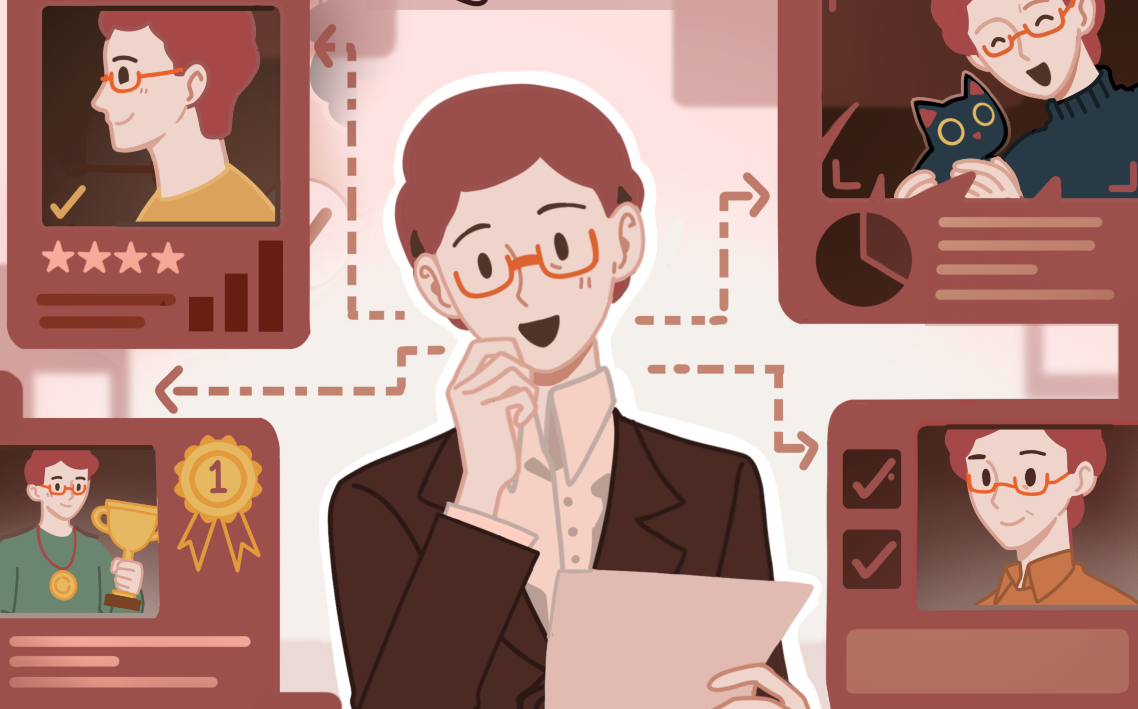
Humans are complex. None of us fit neatly into a single definition. Yet, most professional platforms ask us to simplify ourselves into one version of who we are. That’s why Skill Squirrel lets you create multiple tailored profiles, which let you highlight different strengths and show up in ways that match each unique opportunity. Profiles can be made quickly, using AI to extract key information from existing resumes or public career profiles, or crafted from scratch with a particular focus.

It’s easy to feel left out when traditional hiring treats success like a race. This is especially true for individuals from underrepresented communities, who often face additional barriers to being seen and valued in a sea of similarly presented candidates. Our platform gives everyone an equal chance for recognition with unique social groups and community-tagged opportunities, connecting you with people and opportunities that feel like the right fit.

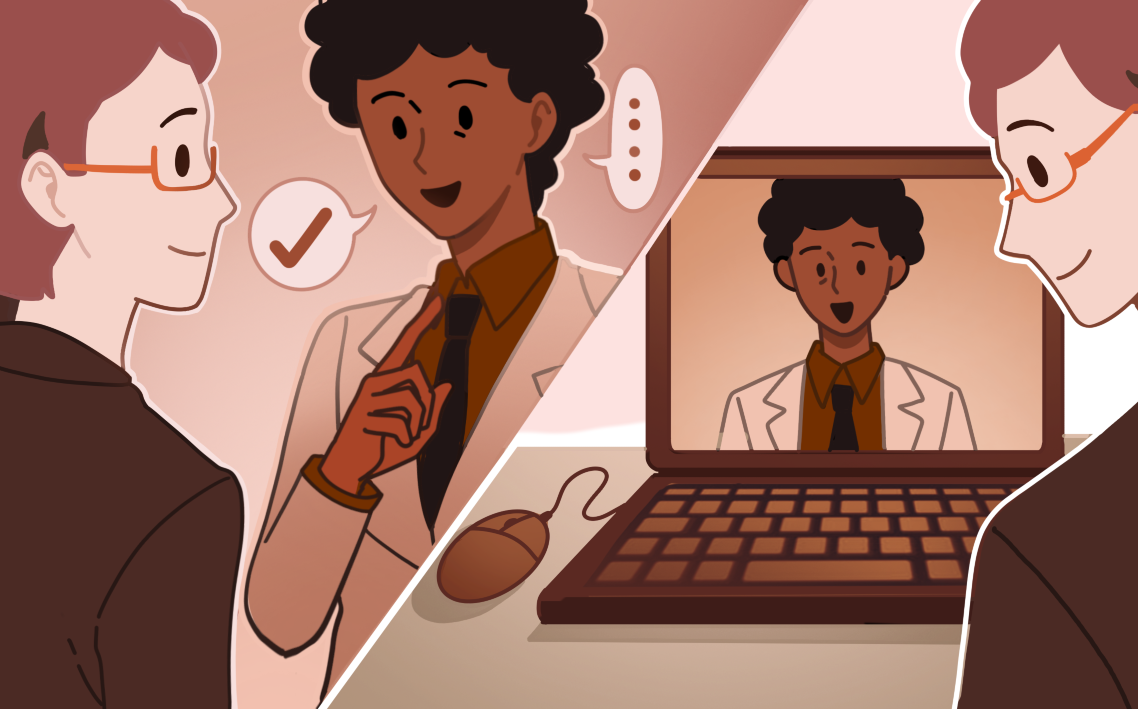
Stepping into social settings isn’t easy for everyone, especially when the added pressure of a professional environment is involved. Yet, it’s a crucial step toward building meaningful and valuable professional relationships. Having the freedom to choose how and when you engage can make a big difference—especially for those who feel less comfortable in social settings. That’s why Skill Squirrel offers both in-person and virtual opportunities, so you can build confidence at your own pace.

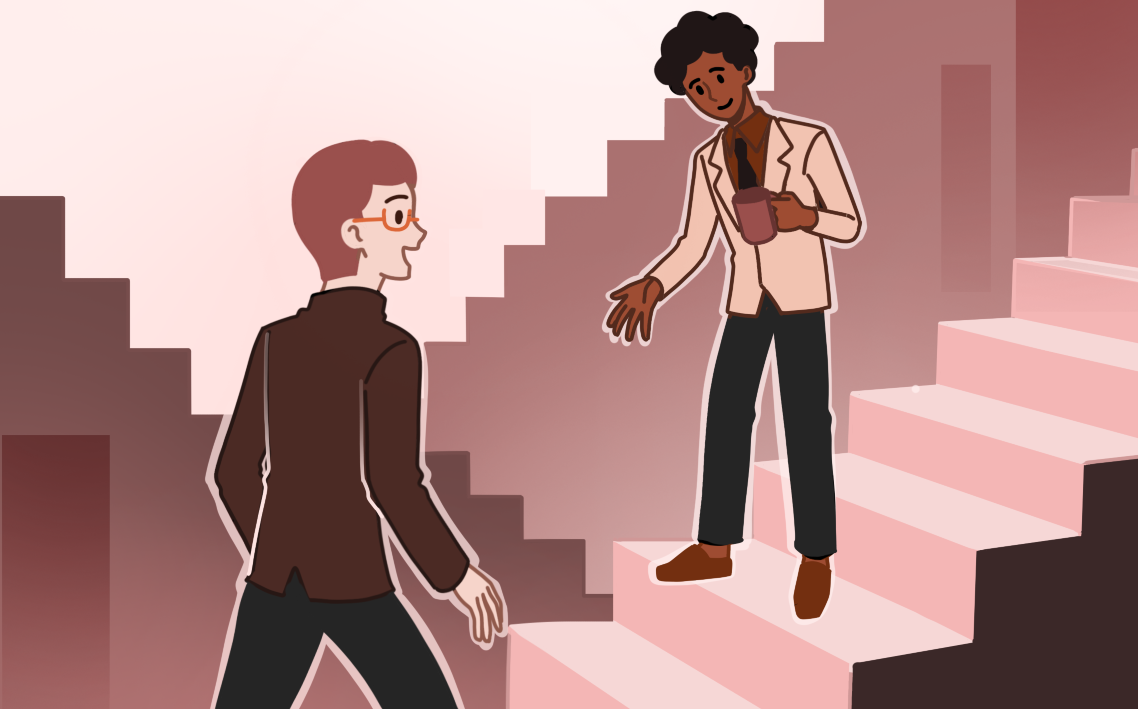
We don’t all start from the same place—and that’s okay. At Skill Squirrel, we believe success is shaped by how you learn and grow, not where you begin. That’s why we’re committed to supporting opportunity seekers at every stage of their journey—not only by promoting regular events and volunteer roles, but also through advisory programs that offer guidance and growth-focused support along the way.

Skill Squirrel Wants You to Succeed

Anxiety can make the world feel overwhelming, but the right support can make it more manageable. Whether you’re just starting out or starting over, Skill Squirrel is here to meet you where you are. With flexible tools, welcoming communities, and real opportunities for growth, we’re here to help you move forward with confidence—because everyone’s journey matters!

What is Anxiety?

Have you ever felt suddenly panicked or uneasy—maybe your heart also began to race, or your thoughts felt scrambled?[4] That could have been anxiety.

Anxiety is a natural response to anything that our brains consider to be a threat.[5] But since everyone interprets situations differently, what feels dangerous to one person might not feel that way to someone else. That’s why some people experience anxiety more often or more intensely than others.

When these feelings start to interfere with daily life, it could be a sign of an anxiety disorder or another related mental health condition.

References

  1. Statistics Canada. “Population Estimates on July 1st, by Age and Sex.” Statistics Canada, 25 Sept. 2024.
  2. Stephenson, Ellen. “Mental Disorders and Access to Mental Health Care.” Statistics Canada, 22 Sept. 2023.
  3. Dobson, Kathleen G., et al. “Trends in the Prevalence of Depression and Anxiety Disorders among Working-Age Canadian Adults between 2000 and 2016.” Statistics Canada, 16 Dec. 2020.
  4. UC Davis Health. “Symptoms of Anxiety and How to Know When You Need Help.” UC Davis Health, 21 Aug. 2024.
  5. Columbia University Department of Psychiatry. “Evolutionary Psychiatry.” Columbia University Department of Psychiatry.